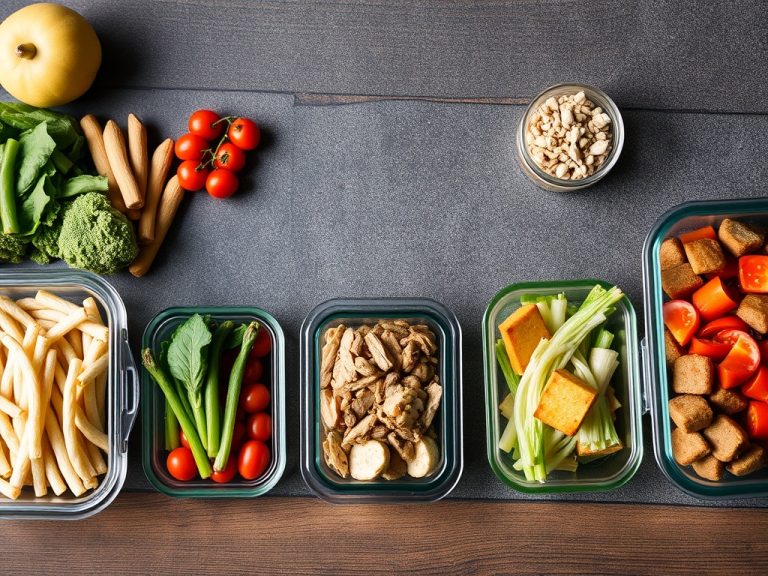
Understanding the Basics of Meal Planning for Camping and Road Trips
In my experience with do I meal plan for camping or road trips, I’ve realized that effective meal planning is the foundation of a successful adventure. Before I even hit the road, I ask myself, “How do I meal plan for camping or road trips?” It’s all about balancing convenience, nutrition, and enjoyment. From what I’ve learned, the key is to plan ahead to avoid last-minute chaos and ensure I have everything I need, without overpacking.
I’ve found that many people wonder, do I meal plan for camping or road trips in a way that minimizes hassle and maximizes fun. My answer is straightforward: I start by considering the trip duration, the available cooking facilities, and my personal preferences. This approach helps me figure out exactly how to plan my meals, what foods to bring, and how to store them. In my experience, the better I plan, the more I enjoy my trip without worrying about food shortages or spoilage.
Step-by-Step Guide to Planning Your Meals
1. Determine Your Trip Duration and Meal Frequency
When I ask myself, do I meal plan for camping or road trips, I always start with how long I’ll be away. I find that breaking down my trip into days helps me organize my meals and snacks efficiently. For each day, I consider breakfast, lunch, dinner, and any snacks. This way, I avoid overpacking and ensure I have enough food without carrying excess weight. In my experience, planning for each meal makes a huge difference in managing supplies.
From what I’ve learned, I also consider whether I’ll be eating out or cooking. For road trips, I prefer simple, portable meals, but for camping, I like to include some fresh ingredients. This step is crucial because it influences what foods I pack and how I store them. I recommend creating a meal plan template to keep everything organized and ensure nothing gets forgotten.
2. Choose Easy, Nutritious Meals
In my quest to effectively do I meal plan for camping or road trips, I prioritize meals that are easy to prepare and nourishing. I’ve found that one-pot recipes, sandwiches, and pre-made salads work well. My research shows that packing foods like trail mix, energy bars, and dried fruits can complement my meals and keep me energized throughout the day. I make sure to include a balance of proteins, carbs, and fats for sustained energy.
I recommend selecting meals that don’t require complex cooking equipment. When I plan, I look for recipes that can be cooked over a campfire or using a portable stove. This simplifies my setup and cleanup. From what I’ve experienced, this approach makes the entire process less stressful and more enjoyable.
3. Create a Shopping List and Prep in Advance
Once I have my meal plan, I create a detailed shopping list. I believe that meticulous prep is essential because it saves time during the trip. I usually buy ingredients in bulk and pre-measure portions when possible. For example, I portion out spices, marinade meats ahead of time, or pack individual snack bags. This prep work makes cooking at the campsite much faster and more efficient.
From my understanding, doing this also helps prevent last-minute forgetfulness. I’ve discovered that organizing my food and supplies at home means I can focus on enjoying the trip rather than scrambling for ingredients. I recommend packing everything in clearly labeled containers to keep things organized.
Tips for Packing and Storing Food During Your Trip
1. Use Proper Containers and Coolers
In my experience, the right containers make all the difference when do I meal plan for camping or road trips. I always invest in good-quality, airtight containers and a sturdy cooler. Keeping perishable foods cold is vital, especially in warmer weather. I’ve found that packing ice packs around the food helps maintain freshness and prevents spoilage. This ensures my meals stay safe and tasty throughout the trip.
I recommend organizing foods by meal and type to avoid opening the cooler multiple times, which causes temperature fluctuations. From what I’ve learned, a well-packed cooler extends the freshness of your perishables and keeps your trip stress-free.
2. Pack Smart for Convenience and Safety
When I plan my packing, I think about accessibility—placing daily essentials at the top or in easily reachable spots. I also separate raw and cooked foods to prevent cross-contamination. For example, raw meats go in sealed bags on the bottom of the cooler, while cooked foods and snacks are on top. These small steps help me stay organized and safe.
Based on my experience, I also carry extra supplies like utensils, napkins, and cleaning wipes. Being prepared prevents unnecessary trips to the car or campsite store, which saves time and effort. I believe that smart packing is crucial for a smooth, enjoyable trip.
Meal Ideas and Recipes for Your Trip
1. Breakfast Options
In my experience, breakfast sets the tone for the day. I like to prepare quick options like oatmeal packets, granola bars, or breakfast burritos that can be eaten on the go. When I plan, I also consider fresh fruit like apples or bananas, which don’t spoil quickly. These choices are perfect because they’re portable and easy to prepare with minimal equipment.
I’ve discovered that bringing along a small portable stove or a camping coffee maker allows me to enjoy hot breakfasts without much fuss. I recommend planning your breakfasts in advance to ensure you have the right ingredients on hand. In my opinion, a good breakfast fuels your adventures and makes mornings more enjoyable.
2. Lunch and Dinner Ideas
For lunch, I often pack sandwiches, wraps, or salads that can be eaten cold. I also prepare some grilled items like hot dogs or veggie skewers if I have a campfire setup. Dinner options include foil packet meals, pasta salads, or instant rice dishes that are easy to cook and filling. My experience shows that variety keeps things interesting and prevents me from getting bored with the same meals every day.
I recommend bringing versatile ingredients that can be used in multiple dishes, such as canned beans, rice, or pre-cooked meats. This flexibility helps during do I meal plan for camping or road trips, ensuring you won’t run out of options mid-trip. From what I’ve seen, simple, hearty meals make the best camping or road trip dinners.
3. Snacks and Treats
Snacks are essential for keeping energy levels up. I always pack trail mix, protein bars, dried fruits, and some sweet treats like chocolate or cookies. These are easy to carry and great for quick energy boosts. From my experience, having a stash of snacks prevents hunger-induced crankiness and makes the trip more fun.

I believe that including a few special treats adds to the joy of your trip. Just be sure to pack them in resealable containers to keep them fresh and prevent spillage. Snacks might seem minor, but they play a big role in making your do I meal plan for camping or road trips enjoyable and hassle-free.
Frequently Asked Questions
How do I start planning meals for my camping trip?
In my experience, I start by considering the length of my trip, the cooking facilities available, and my dietary preferences. I make a list of meals that are simple, nutritious, and suitable for camping. From there, I create a meal schedule and shopping list to stay organized. This approach helps me answer the question, do I meal plan for camping or road trips efficiently and stress-free.
What are some easy meal ideas for road trips?
For road trips, I recommend portable, no-cook options like sandwiches, wraps, and snack boxes. I also pack finger foods such as nuts, trail mix, and granola bars. These are convenient for eating on the go and don’t require much preparation. From what I’ve learned, preparing these in advance makes it easier to stick to your meal plan and avoid unnecessary stops.
How can I keep food fresh during my camping trip?
I recommend using a high-quality cooler with plenty of ice packs and organizing your food in airtight containers. I always pack raw meats separately and place them at the bottom of the cooler for safety. From my experience, maintaining proper refrigeration and packing smartly is key to keeping your food fresh and safe to eat during your adventure.
Do I need to pre-cook meals before my trip?
In my opinion, pre-cooking some meals or components saves time and effort at the campsite. For example, pre-cooked grains or marinated meats can be quickly reheated or assembled. I believe that planning some meals ahead makes do I meal plan for camping or road trips more manageable and enjoyable.
References and Resources
Throughout my research on do I meal plan for camping or road trips, I’ve found these resources incredibly valuable for answering questions like ‘How do I meal plan for camping or road trips?’. I recommend checking them out for additional insights:
-
USDA Forest Service – Camping Tips
fs.usda.govProvides guidelines on meal planning, safety, and packing for outdoor adventures, helping clarify how to organize meals efficiently for camping trips.
-
National Park Service – Camping Food Tips
nps.govOffers advice on meal prep, packing, and safe food storage, which is essential when figuring out do I meal plan for camping or road trips.
-
Outdoor Life – Essential Camping Foods
outdoorlife.comLists practical food options and meal ideas, helping me decide what to include in my meal plan for camping or road trips.
-
REI Co-op – Camping Meal Planning
rei.comProvides comprehensive tips on planning, packing, and cooking meals, which I find very helpful when answering do I meal plan for camping or road trips.
-
Camping.com – Food & Drink Ideas
campings.comOffers practical meal planning templates and recipes ideal for camp cooking, making it easier for me to organize my trip meals.
-
Wilderness Arena – Food Storage & Safety
wildernessarena.comDetails safe food storage methods to prevent wildlife encounters and spoilage, essential knowledge for do I meal plan for camping or road trips.
-
Backpacker Magazine – Food & Recipes
backpacker.comProvides a wide range of recipes and meal ideas tailored for backpacking and camping trips, helping me refine my meal planning approach.
-
Outdoor Life – Pack Light, Eat Well
outdoorlife.comFocuses on lightweight, nutritious meal options ideal for do I meal plan for camping or road trips, which I find essential for managing weight and space.
Conclusion
In conclusion, my research on do I meal plan for camping or road trips has shown that the key to a successful outdoor adventure lies in thorough planning. From understanding your trip length and meal preferences to choosing easy recipes and packing smartly, every step is vital. Based on my experience, I believe that a well-organized meal plan not only ensures you have enough food but also enhances your overall enjoyment. I hope this guide helps you understand How do I meal plan for camping or road trips? and inspires you to prepare ahead for your next adventure.

Find out more information about “do I meal plan for camping or road trips”
Search for more resources and information: