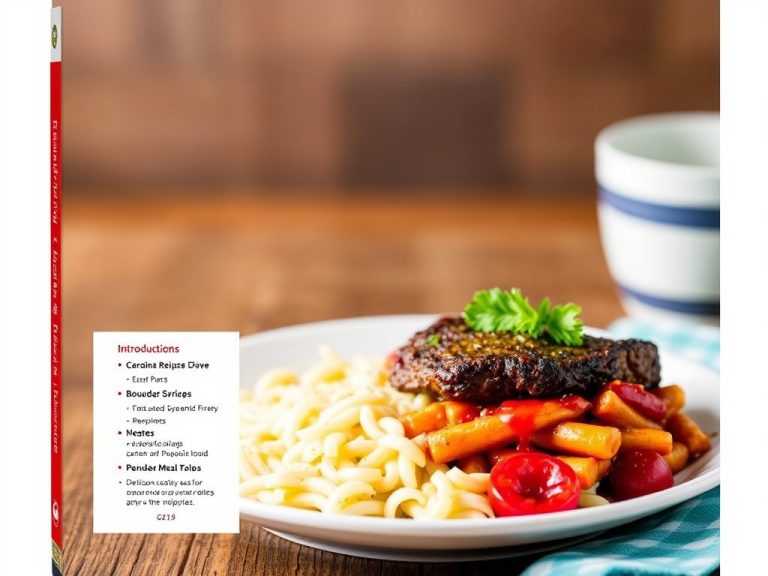
Understanding What Makes a Meal Plan Realistic for Beginners
In my experience with is a realistic meal plan for beginners, I’ve found that the most important thing is simplicity. When I first started exploring meal planning, I quickly realized that overcomplicating things only led to frustration and burnout. A realistic meal plan for beginners should be manageable, flexible, and sustainable—something I can actually stick to without feeling overwhelmed.
From what I’ve learned, is a realistic meal plan for beginners also needs to account for individual preferences, dietary restrictions, and lifestyle constraints. I want to share what I’ve discovered —the best plans are those that are tailored, not rigid. When I created my own beginner meal plan, I focused on balance and ease, making sure I could prepare meals without spending hours in the kitchen. That’s why I believe a realistic meal plan for beginners should prioritize practicality over perfection, especially when just starting out.
Key Components of a Realistic Meal Plan for Beginners
1. Simplicity and Ease of Preparation
In my experience, the cornerstone of a is a realistic meal plan for beginners is simplicity. I recommend sticking to recipes that require minimal ingredients and straightforward cooking techniques. When I first started meal planning, I chose dishes I could prepare in under 30 minutes, which made the process less intimidating.
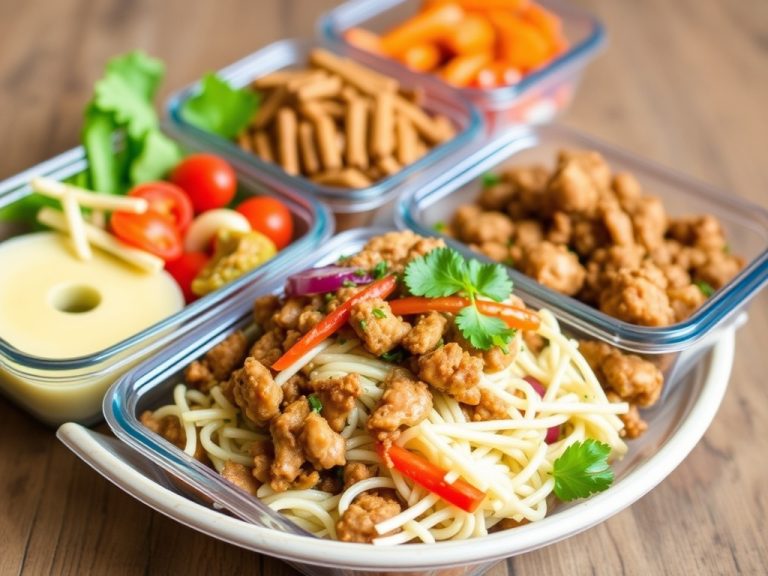
I’ve discovered that batch cooking and meal prepping are game-changers for beginners. Preparing larger portions and storing leftovers means I spend less time cooking during the week and more time enjoying my meals. From what I’ve learned, a realistic meal plan for beginners should include versatile ingredients that can be used in multiple meals, reducing shopping and prep time. I also suggest keeping staple items like rice, beans, and frozen vegetables on hand—they’re nutritious, affordable, and easy to incorporate into various dishes.
2. Flexibility and Variety
I believe that a is a realistic meal plan for beginners must be flexible enough to accommodate changing tastes and schedules. When I first tried planning meals rigidly, I often found myself skipping meals or feeling deprived. Now, I prefer to have a few go-to meal options and allow room for adjustments based on my mood or what’s available in my fridge.
In my experience, incorporating a variety of protein sources, vegetables, and grains keeps the plan interesting and helps me meet nutritional needs. I’ve found that planning for a few “buffer” meals that can be swapped or skipped makes the whole process less stressful. From what I’ve learned, flexibility is essential to making your meal plan sustainable over the long term.
3. Budget-Friendly Choices
In my journey, I’ve realized that affordability is a key aspect of is a realistic meal plan for beginners. I recommend focusing on whole, minimally processed foods, which tend to be cheaper and healthier. Buying in bulk, choosing seasonal produce, and using frozen or canned goods are strategies I’ve used to keep costs down.
From what I’ve found, a realistic meal plan for beginners shouldn’t break the bank. I’ve learned that prioritizing budget-friendly ingredients helps me stick to my plan without feeling guilty or stressed about expenses. I believe that anyone can create a balanced, realistic meal plan while staying within their budget by being smart with shopping and meal prep.
How to Create Your Own Realistic Meal Plan
1. Assess Your Dietary Needs and Preferences
In my experience, the first step in creating a is a realistic meal plan for beginners is understanding what I like and what my body needs. I started by noting my favorite foods, any allergies, and dietary restrictions. When I tailored my plan around foods I already enjoyed, I found it easier to stay consistent and motivated.
From what I’ve learned, it’s also helpful to consider your schedule. If I know I have busy mornings, I plan quick breakfasts like smoothies or overnight oats. If I have more free time, I indulge in cooking more elaborate meals. This personalized approach makes my meal plan more sustainable and enjoyable.
2. Start Small and Build Gradually
I recommend beginning with a simple weekly plan that covers breakfast, lunch, dinner, and snacks. When I first started, I kept it manageable—maybe just 3-4 meals I could rotate. As I gained confidence, I expanded my options and experimented with new recipes. This incremental approach is what makes is a realistic meal plan for beginners achievable.
From my experience, I also suggest planning for leftovers. It saves time and reduces waste. I’ve found that gradually increasing complexity and variety allows me to learn new cooking skills without feeling overwhelmed. This slow build-up is key to making your plan sustainable.
3. Use Tools and Resources for Guidance
In my research, I’ve discovered that meal planning apps, printable templates, and online recipes are invaluable tools. I started with simple templates and adapted them to my needs. These tools help me stay organized and ensure I include a balance of nutrients.
I recommend that beginners look for resources that align with their goals and preferences. From what I’ve seen, a is a realistic meal plan for beginners should be flexible enough to incorporate new ideas, but structured enough to provide guidance. It’s all about finding what works best for your lifestyle and sticking with it.
Common Mistakes and How to Avoid Them
1. Overcomplicating Meals
In my experience, trying to cook complex recipes right away is a common mistake among beginners. I’ve learned that overcomplicating meals can lead to frustration and burnout. From what I’ve seen, is a realistic meal plan for beginners should focus on straightforward recipes that I can prepare quickly.
I recommend sticking to a few simple recipes until you feel more confident. When I kept things basic, I enjoyed my meals more and stayed consistent. Remember, simplicity is key to making a sustainable meal plan.
2. Not Planning for Flexibility
Another mistake I’ve made is rigidly sticking to my meal plan without room for adjustments. I’ve found that life is unpredictable, and flexibility is crucial. When I tried to follow a strict plan, I often felt guilty or frustrated when I couldn’t stick to it.
From my experience, a is a realistic meal plan for beginners that includes some wiggle room. I suggest leaving a couple of days open for spontaneous meals or leftovers. This approach keeps me motivated and reduces stress.
3. Ignoring Your Budget
In my early days, I underestimated how much grocery shopping could cost. I’ve learned that planning within my budget is essential to maintaining my meal plan. Buying in bulk, choosing seasonal produce, and avoiding expensive specialty ingredients have helped me stay on track financially.
I believe that a is a realistic meal plan for beginners that respects your financial limits. This way, I can focus on eating nourishing foods without feeling guilty or stressed about money.
Resources and Tools to Support Your Meal Planning
In my journey, I’ve found that utilizing the right resources makes creating a is a realistic meal plan for beginners much easier. Here are some tools I recommend:
– Meal planning apps like Mealime, Yummly, or Paprika. They help organize recipes and shopping lists.
– Printable meal planner templates to keep track of your weekly meals.
– Recipe websites and blogs focused on beginner-friendly dishes.
– Budget-friendly grocery shopping guides.
– YouTube channels offering quick cooking tutorials.
– Nutrition guidelines from reputable sources like government health sites.
From what I’ve seen, these resources make the process more manageable and help me stay consistent. They also provide inspiration and motivation to keep my meals balanced and exciting.
References and Resources
Throughout my research on is a realistic meal plan for beginners, I’ve found these resources incredibly valuable for answering questions like ‘What is a realistic meal plan for beginners?’. I recommend checking them out for additional insights:
Authoritative Sources on is a realistic meal plan for beginners
-
CDC Nutrition Basics
cdc.govOffers foundational information on balanced diets and tips for beginners starting their nutrition journey.
-
American Society for Nutrition
nutrition.orgProvides research-backed articles on healthy eating habits suitable for beginners.
-
Eat Right Foundation
eatright.orgFocuses on practical nutrition advice, meal planning tips, and beginner guides.
-
Harvard T.H. Chan School of Public Health
hsph.harvard.eduOffers in-depth guides on healthy eating patterns suitable for beginners.
-
British Nutrition Foundation
nutrition.org.ukProvides accessible resources for those starting their nutrition journey, including meal ideas.
-
WebMD Nutrition Center
webmd.comIncludes practical tips and articles tailored for beginners seeking to improve their diet.
-
BBC Good Food
bbcgoodfood.comOffers beginner-friendly recipes and meal plans to help you get started.
-
Healthline Nutrition
healthline.comProvides thorough articles on creating realistic, sustainable meal plans for beginners.
-
UK’s NHS Choices
nhs.ukOfficial guidance on healthy eating and practical meal planning for those new to nutrition.
Frequently Asked Questions
In my experience, a is a realistic meal plan for beginners is one that emphasizes simplicity, flexibility, and practicality. I recommend starting with basic recipes that use common ingredients, and gradually adding variety as you become more comfortable. The key is not to aim for perfection but to establish consistent, healthy habits that fit your lifestyle.

From what I’ve learned, the best is a realistic meal plan for beginners is one that you can stick to long-term without feeling overwhelmed. This means planning meals that are easy to prepare, budget-friendly, and adaptable to your weekly schedule. My advice is to keep it simple, enjoy the process, and adjust as you learn what works best for you.
How do I stay motivated with a beginner meal plan?
In my experience, staying motivated comes down to setting realistic expectations and celebrating small wins. I recommend choosing recipes you genuinely enjoy and that don’t take too much effort. When I see progress and start feeling better physically, it keeps me motivated to stick with my plan.
From what I’ve found, tracking your meals and progress can boost motivation too. Remember, is a realistic meal plan for beginners that prioritizes sustainability—if it feels too hard, it’s unlikely to last. So, make adjustments, stay flexible, and keep reminding yourself of your goals.
Can I include treats in my beginner meal plan?
Absolutely! In my experience, a is a realistic meal plan for beginners that is sustainable includes room for treats and indulgences. I believe that completely restricting yourself can backfire and lead to cravings or guilt. Instead, I try to incorporate small treats occasionally to keep my plan enjoyable.
From what I’ve learned, moderation is key. As long as treats are balanced with nutritious foods, they won’t derail your progress. My tip is to plan for these indulgences, so they become part of your overall healthy lifestyle without guilt or stress.
Is meal prepping necessary for a beginner?
In my opinion, meal prepping is not strictly necessary, but it’s incredibly helpful. I’ve found that preparing some meals or ingredients in advance makes sticking to a is a realistic meal plan for beginners much easier and less stressful. It saves me time during busy days and helps me avoid unhealthy last-minute choices.
From what I’ve learned, start small—maybe prep snacks or a couple of lunches—and expand as you gain confidence. Meal prepping is a tool that supports consistency, but the most important thing is to find a routine that works for you and feels sustainable.
Conclusion
In conclusion, my research on is a realistic meal plan for beginners has shown that the most effective plans are those grounded in simplicity, flexibility, and practicality. I believe that starting with manageable recipes, sticking to a budget, and allowing room for adjustments makes the journey enjoyable and sustainable. Based on my experience, a is a realistic meal plan for beginners that focuses on consistency rather than perfection is the best way to build healthy habits. I hope this guide helps you understand what a realistic meal plan for beginners looks like and inspires you to start your own nourishing journey today.

Find out more information about “is a realistic meal plan for beginners”
Search for more resources and information:
Similar Posts
Transform Your Plates: A 1300 Calorie Meal Plan for Weight Loss with Recipes to Ignite Your Journey
Table of Contents Introduction Why a 1300 Calorie Meal Plan for Weight Loss with Recipes? Delicious Recipes for Your 1300 Calorie Meal Plan Tips for Sticking to Your Meal Plan References and Resources Frequently Asked Questions I’ve been researching various methods for weight loss, and one approach that has really caught my attention is the…
Revolutionize Your Routine with This 30 Day Meal Prep Meal Plan for Effortless Healthy Eating
Table of Contents Why I Chose a 30 Day Meal Prep Meal Plan Getting Started with My 30 Day Meal Prep Meal Plan Benefits of a 30 Day Meal Prep Meal Plan Tips for Sticking to Your 30 Day Meal Prep Meal Plan References and Resources I’ve been researching various methods to streamline my eating…
Unlock Your Potential with a 7 Day Mindful Eating Meal Plan for Lasting Change
Table of Contents Understanding Mindful Eating Creating My 7 Day Mindful Eating Meal Plan Tips for Success with My Meal Plan Benefits of a 7 Day Mindful Eating Meal Plan References and Resources In my experience with a 7 day mindfuI eating meal plan, I’ve discovered that the journey to better health begins with awareness….