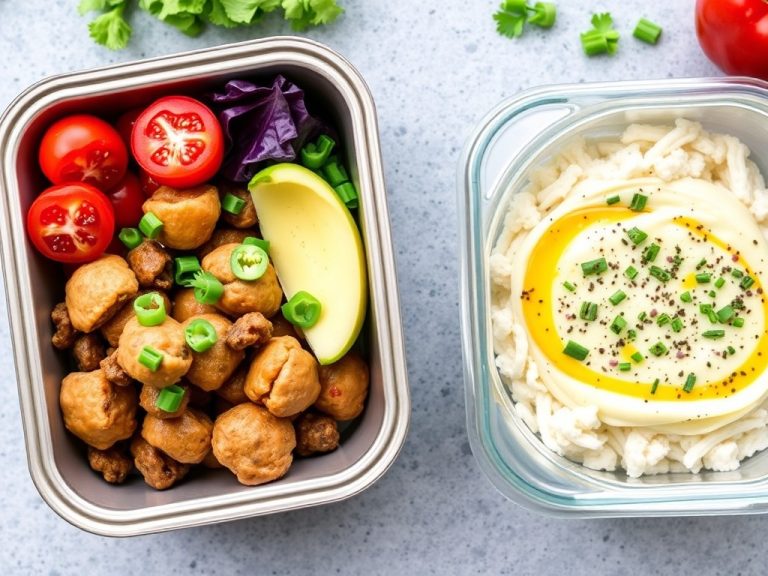
I’ve been researching and experimenting with a macro friendly meal plan for beginners for quite some time now. In my experience, understanding macronutrients—proteins, fats, and carbohydrates—is pivotal for anyone looking to nourish their body effectively. I want to share what I’ve learned about crafting a macro friendly meal plan for beginners that not only supports your fitness goals but also satisfies your taste buds.
When I first started my journey, I was overwhelmed by all the dietary advice out there. However, I quickly found that a well-structured macro friendly meal plan for beginners can simplify things and make healthy eating enjoyable. Let’s dive into the essential steps I took to create a meal plan that works for me.
Understanding Macros
What Are Macronutrients?
From my research, I’ve discovered that macronutrients are the building blocks of our diet. They consist of proteins, carbohydrates, and fats, and they each play a vital role in our health. I recommend starting by calculating your macro needs based on your fitness goals—whether it’s weight loss, muscle gain, or maintenance.
I’ve learned that proteins are crucial for muscle repair, carbohydrates provide energy, and fats support hormonal balance. Understanding how these macronutrients work together has been a game changer for me. It makes meal planning not just about eating but about fueling my body effectively.
Why Tracking Macros is Important
In my experience, tracking macros offers a clear picture of what I’m consuming. I’ve found that it helps me stay accountable and make informed food choices. Initially, I used a simple app to keep track of my daily intake, which made it easier to see where I could adjust my meals.
I believe that tracking can be a powerful tool in achieving our fitness goals. It allows us to identify patterns in our eating habits and make necessary adjustments to stay on track. This foundation is essential for anyone looking to create a macro friendly meal plan for beginners.
Creating Your Macro Friendly Meal Plan for Beginners
Setting Realistic Goals
When I first set out to create my macro friendly meal plan for beginners, I realized that setting realistic goals was crucial. I started by defining what I wanted to achieve—whether it was losing weight or gaining muscle.
I’ve found that small, attainable goals are the key to staying motivated. For instance, instead of aiming to lose 10 pounds in a month, I focused on losing 1-2 pounds a week. This mindset shift helped me create a sustainable meal plan that I could stick to over time.
Choosing the Right Foods
I’ve learned that the quality of the foods I choose significantly impacts my progress. In crafting a macro friendly meal plan for beginners, I prioritize whole, nutrient-dense foods. This includes lean proteins like chicken and fish, plenty of vegetables, whole grains, and healthy fats like avocados and nuts.
In my experience, meal prepping has been a lifesaver. Preparing meals in advance helps me avoid last-minute poor food choices. I recommend dedicating a few hours on the weekends to batch cook and portion out meals for the week ahead.
Tips for Sticking to the Plan
Find What Works for You
In my journey with a macro friendly meal plan for beginners, I’ve realized that personalization is key. I’ve experimented with different meal timings and found that eating smaller, more frequent meals works best for my energy levels.
I recommend listening to your body and adjusting your meal frequency according to your lifestyle. Whether you prefer three larger meals or five smaller ones, finding a rhythm that suits you will make sticking to your plan much easier.
Stay Flexible
I’ve discovered that flexibility is essential for maintaining a sustainable meal plan. Life happens, and there will be days when I stray from my plan. Instead of feeling guilty, I embrace the idea of balance.
In my experience, allowing myself the occasional treat keeps me motivated, and I can always adjust my macros for the day to accommodate it. This mindset helps me enjoy my meals without the stress of being perfectly strict all the time.
Grocery Shopping for Success
Creating a Shopping List
One of the most effective strategies I’ve learned is to create a shopping list before heading to the grocery store. This practice helps me stay focused and avoid impulse buys that can derail my macro friendly meal plan for beginners.
I recommend categorizing items based on the macros they provide—proteins, carbs, and fats. This way, I can ensure I’m stocking up on a variety of foods that will support my meal plan.
Shopping Smart
In my experience, shopping smart involves being mindful of food labels and opting for whole foods as much as possible. I’ve found that buying in bulk not only saves money but also ensures I always have my favorite ingredients on hand.
I recommend sticking to the perimeter of the grocery store where fresh produce, meats, and dairy are usually located. This approach helps me avoid processed foods that can sabotage my efforts.
References and Resources
Throughout my research on macro friendly meal plan for beginners, I’ve found these resources incredibly valuable. I recommend checking them out for additional insights:
Authoritative Sources on macro friendly meal plan for beginners
-
ChooseMyPlate.gov
ChooseMyPlate.govThis government resource provides a balanced approach to nutrition, emphasizing the importance of macronutrients.
-
Effects of Macronutrient Composition
NCBI.nlm.nih.govThis academic article delves into how different macronutrients affect our health and weight management.
-
Eat Right
EatRight.orgThe Academy of Nutrition and Dietetics provides a wealth of information on nutrition and meal planning.
-
Macronutrients: Everything You Need to Know
Healthline.comA comprehensive guide to understanding macronutrients and their importance in our diets.
-
The Ultimate Macronutrient Guide
Bodybuilding.comThis article breaks down how to calculate your macro needs based on your fitness goals.

-
The Ultimate Guide to Macronutrients
MindBodyGreen.comAn insightful resource that discusses the role of each macronutrient in our overall health.
-
Macro Calculator
VerywellFit.comA tool that helps you calculate your specific macro needs based on your goals.
Frequently Asked Questions
What is a macro friendly meal plan for beginners?
In my experience, a macro friendly meal plan for beginners is designed to provide a balanced intake of proteins, carbohydrates, and fats. It helps you understand your nutritional needs while making sure you enjoy the foods you love. I’ve found that focusing on whole foods and tracking my intake has made it easier to stick to my goals.
How do I create a macro friendly meal plan for beginners?
To create a macro friendly meal plan for beginners, I recommend starting by calculating your macro needs based on your fitness goals. Then, choose quality foods that fit into those macros. Meal prepping can help you stay organized and ensure you have healthy options ready to go.
Can I enjoy treats on a macro friendly meal plan for beginners?
Absolutely! In my experience, incorporating treats into my macro friendly meal plan for beginners helps me stay motivated. I believe balance is key, and allowing myself occasional indulgences makes it easier to stick with my plan in the long run.
What should I focus on when grocery shopping for a macro friendly meal plan for beginners?
When grocery shopping for a macro friendly meal plan for beginners, I focus on whole foods that are high in protein, healthy fats, and complex carbohydrates. I recommend creating a list categorized by macros to ensure I have everything I need for the week.
Conclusion
In conclusion, my research on macro friendly meal plan for beginners has shown that understanding macronutrients is the first step toward nourishing our bodies effectively. I hope this guide helps you create a meal plan that aligns with your goals while allowing you to enjoy the journey. Remember, flexibility and personalization are key to making your macro friendly meal plan for beginners sustainable and enjoyable!

Find out more information about “macro friendly meal plan for beginners”
Search for more resources and information: